
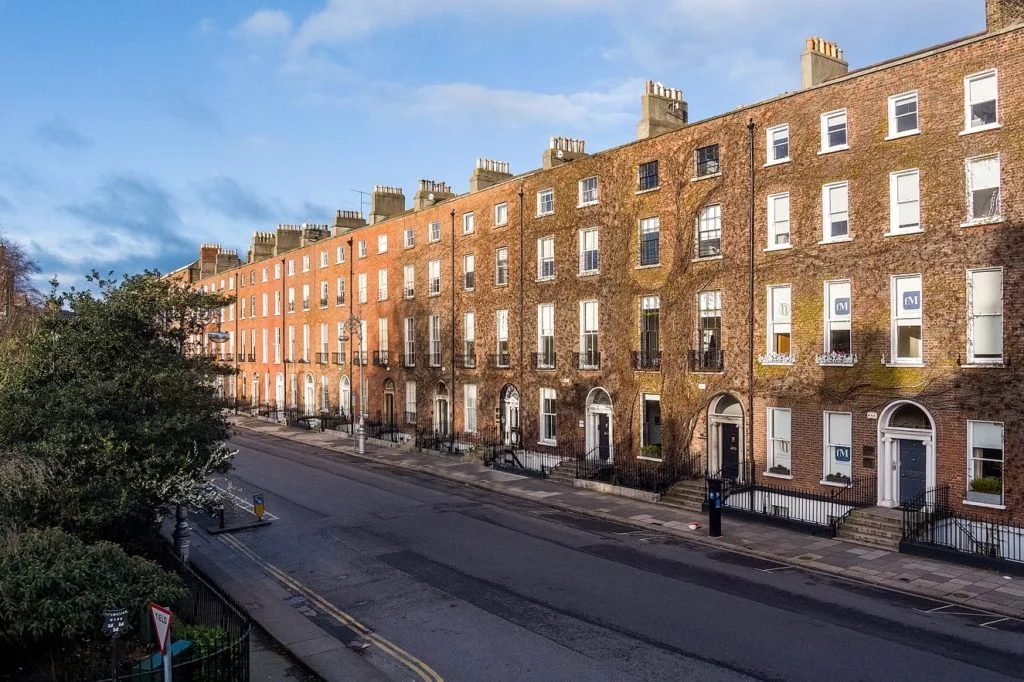
Dublin’s property market has long been the focal point of Ireland’s housing conversation. As the country’s economic engine, the capital attracts the majority of international investment, multinational employers, students, and internal migration. The result is a market defined by strong demand, constrained supply, and sharp differences between areas.
For buyers and renters alike, understanding the bigger picture is essential before focusing on any one suburb.
A Market Driven by Demand
At its core, Dublin’s housing market is shaped by population growth and employment concentration. The city remains home to Ireland’s largest cluster of technology, finance, legal, and professional services firms. This consistent employment base creates steady housing demand across both the rental and sales markets.
Unlike smaller Irish cities, Dublin experiences pressure from multiple sources at once: domestic first-time buyers, international professionals, long-term family movers, and institutional investors. Even when market conditions tighten, demand rarely disappears, it simply shifts between property types and locations.
The Supply Challenge
One of the defining features of Dublin’s market is limited housing supply. Although new developments continue to come on stream, completions have struggled to keep pace with long-term demand.
Planning timelines, construction costs, and land availability, particularly in central areas, restrict rapid expansion. As a result, competition for well-located properties remains strong.
This imbalance between supply and demand helps explain why prices have shown resilience, even during periods of broader economic uncertainty.
Buying in Dublin: A Location-First Market
Dublin is not one single market; it is a collection of micro-markets.
Inner suburbs such as Dublin 4 and Dublin 6 command premium prices due to proximity to the city centre, transport links, and established schools. Coastal areas such as Clontarf and Blackrock benefit from lifestyle appeal, pushing values higher. Meanwhile, outer suburbs such as Tallaght, Clondalkin, and parts of West Dublin offer more space at relatively accessible entry points.
First-time buyers are often pushed outward along LUAS or commuter rail lines, prioritising affordability while maintaining transport access. Established buyers tend to focus on school catchments, long-term resale stability, and community profile.
Apartments remain popular among professionals and investors, while family homes in established neighbourhoods attract competitive bidding.
The Rental Landscape: High Competition, Low Vacancy
If the sales market is competitive, the rental market is even tighter. Vacancy rates across Dublin have remained consistently low, particularly in central areas and near employment hubs.
Demand comes from multiple directions:
- Young professionals relocating for work
- International employees on short- to medium-term contracts
- Students attending Dublin’s universities and colleges
- Individuals saving for deposits before buying
This competition places upward pressure on rents, particularly for one- and two-bedroom units in well-connected areas. Suburbs further from the centre may offer better value per square metre, but transport links heavily influence pricing.
For renters, speed and preparation are often key to securing a property.
Infrastructure and Investment
Transport and infrastructure play a critical role in shaping Dublin’s property values. LUAS lines, DART connectivity, and proximity to the M50 significantly influence both rental and purchase demand.
Areas benefiting from improved transport links or new commercial development often see price uplift over time. Similarly, proximity to major employment hubs such as the Docklands, Sandyford, and Citywest supports sustained housing demand.
Long-term value in Dublin is rarely accidental. It tends to follow infrastructure, schools, and employment access.
Interest Rates and Affordability
Mortgage lending rules and interest rate changes directly affect buyer behaviour. When borrowing becomes more expensive, purchasing power tightens, and demand may soften at certain price points.
However, Dublin’s structural supply shortage has historically limited large price corrections. Instead, activity levels tend to fluctuate while long-term demand remains steady.
For buyers, affordability calculations must factor in not just mortgage repayments but lifestyle trade-offs: space versus commute, central convenience versus suburban value.
What This Means for You
Dublin’s property market rewards clarity and preparation.
- Buyers need to understand their budget ceiling, desired transport access, and long-term plans before entering competitive bidding environments.
- Renters benefit from focusing on realistic locations within commuting range of work or study.
- Investors must prioritise strong, transport-linked areas with consistent tenant demand.
Above all, location remains the single most important factor. Two properties priced similarly can perform very differently depending on connectivity, amenities, and demographic appeal.
The Outlook
Dublin’s housing market is unlikely to see sudden oversupply in the near term. Continued employment growth, population increases, and planning constraints suggest that competition will remain a feature of the market.
While short-term movements may occur in response to economic shifts, the long-term fundamentals – jobs, infrastructure, and limited land in prime areas – continue to underpin demand.
For anyone considering a move, the question is less about timing the market and more about choosing the right area for your needs.
Because in Dublin, the smartest move is rarely just about price; it is about positioning.
For more analysis of the Dublin rental market, check out our article on Dublin Rent Prices in 2026.
Leave a Reply